When Buenos Aires Built Its Own Palaces
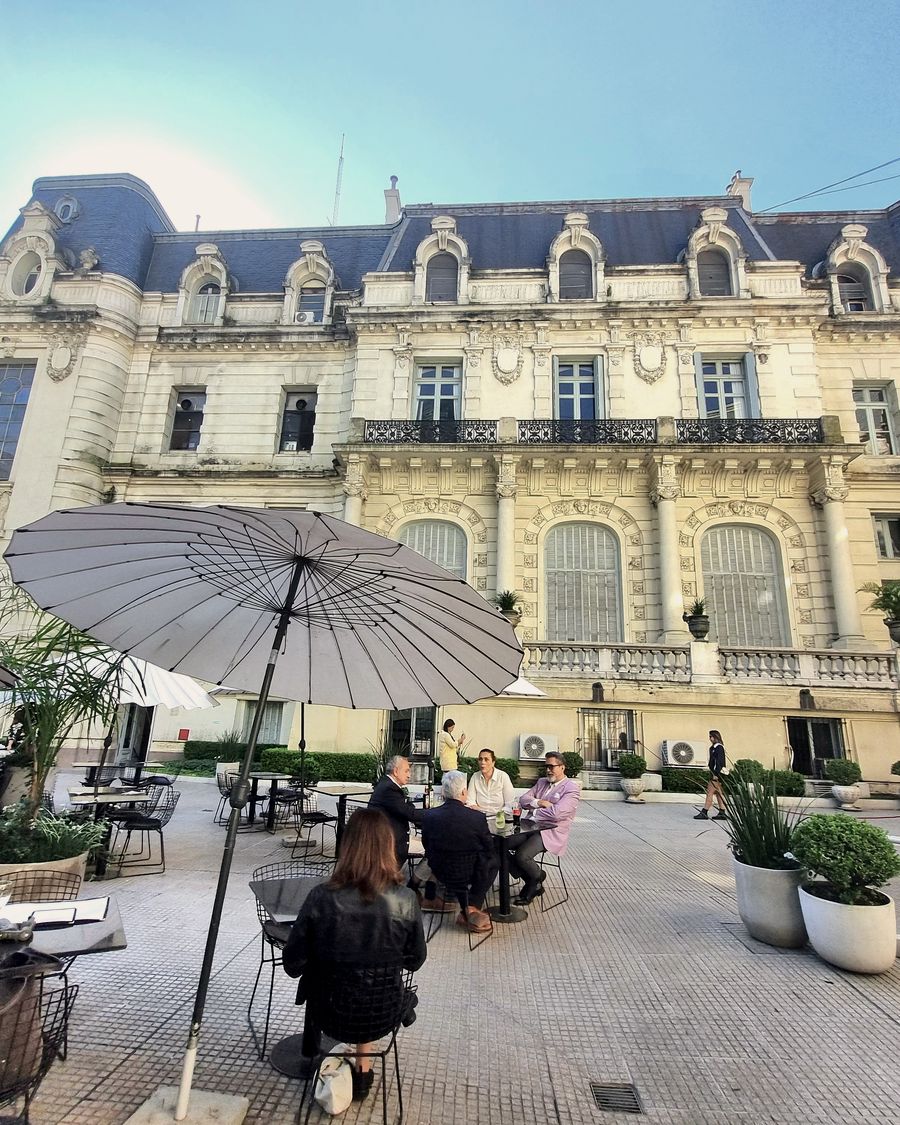
At the turn of the twentieth century, Argentina was one of the wealthiest countries on earth — and its richest families didn't import that wealth as decoration. They rebuilt entire blocks of Buenos Aires from scratch, commissioning European architects to design homes with no expense spared, room by gilded room. What's left today are some of the most extraordinary interiors in South America, tucked into ordinary city blocks most visitors walk straight past.
Where the gold actually came from
Argentina's fortune in this era came from the land itself — wool, wheat, and beef, shipped out by the ton to a hungry industrial Europe. The families who controlled that trade became some of the richest in the world, and they wanted homes that could hold their own anywhere. So they hired the architects, the marble, and the furniture makers of Paris and Florence — and put them to work here, on Argentine soil, building Argentine houses.
A house too big for one family
Palacio Paz took twelve years to build. José C. Paz, the newspaper magnate behind La Prensa, wanted the grandest private residence Buenos Aires had ever seen — French in style, staggering in scale, with 12,000 square meters under one roof. He never got to see it finished; he died two years before the doors opened. His family lived there until 1938, when they handed the keys to the Círculo Militar, who still occupies it today. Its courtyard restaurant now serves lunch to strangers, under the same windows that once looked out on a single family's world.
From a family's dining room to a country's front door
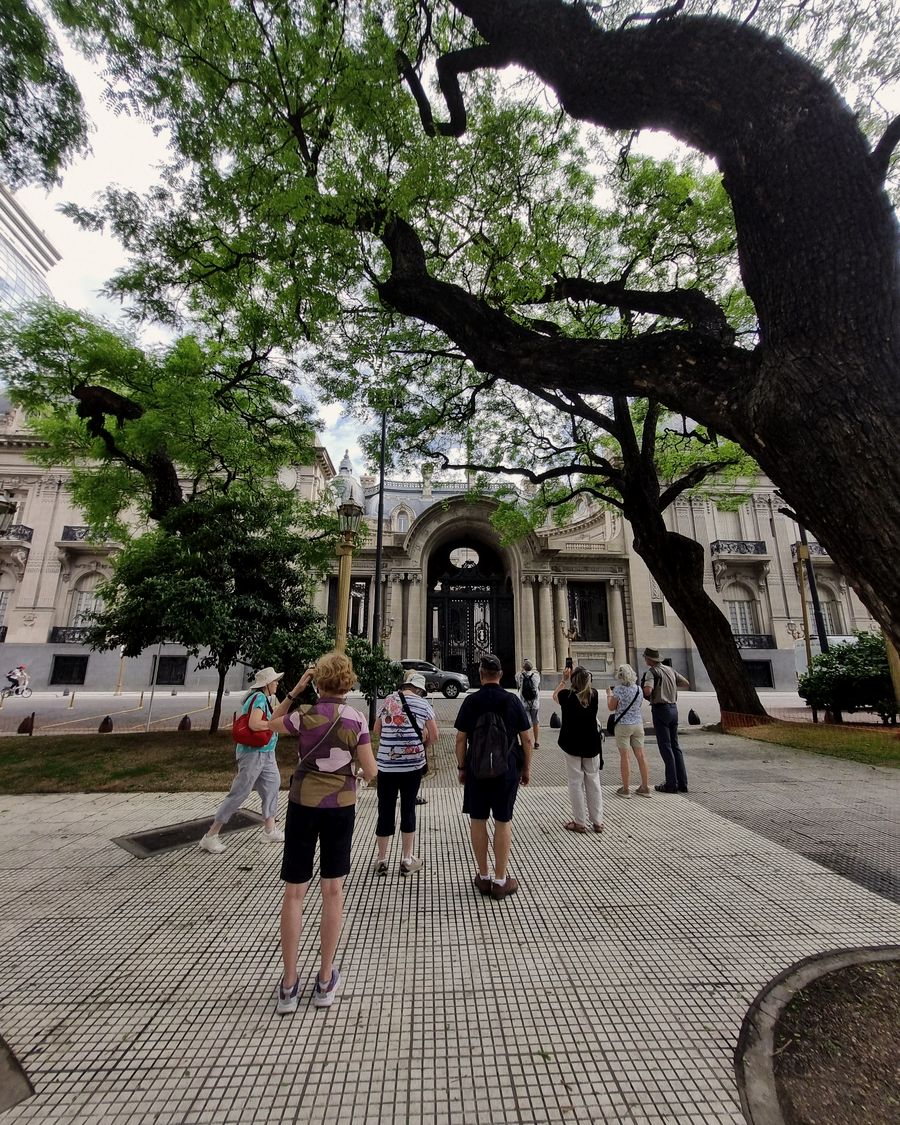
A few blocks away, the Anchorena family commissioned architect Alejandro Christophersen to build what's now known as Palacio San Martín — three connected mansions in Beaux-Arts style, meant to house three generations under one roof. Today it belongs to the Argentine government, and it's where the Ministry of Foreign Affairs receives visiting dignitaries. The chandeliers that once lit family dinners now light state ceremonies.
A third palace, reborn
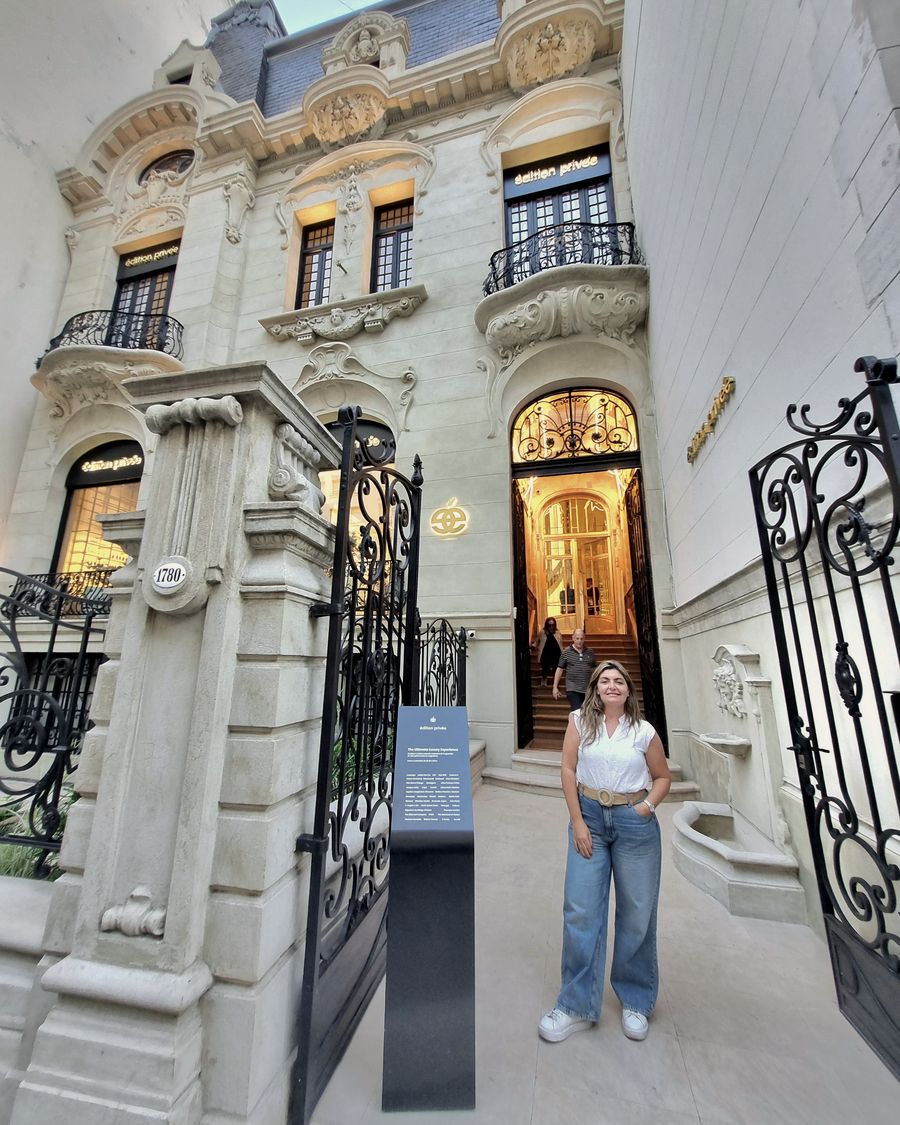
Not every palace ended up a museum or a ministry. The Residencia Lloubet, on Avenida Alvear, spent ten years abandoned after its last tenant closed shop — its Belle Époque façade going quietly dark in one of the city's most elegant avenues. A few years ago, a perfumery restored it room by room and reopened its doors. Stand in front of it today and you're looking at the same 1900s stonework, brought back for a completely different life than the one it was built for.
Why it still matters
None of these houses were built with tourists in mind. That's exactly why they still feel alive when you walk past them — the scale, the details, the sheer confidence of it all was never a performance. It was just how this particular generation of Buenos Aires chose to live. And a hundred years later, the city is still finding new reasons to keep them standing.
This is exactly the kind of layered history I walk through on The Century of Argentine Greatness — my tour through Retiro, Recoleta, Balvanera, and the Microcentro, where these palaces are only the beginning.
Discover the Tour →